
Selecting a CNC milling services provider involves far more than comparing prices and lead times. The supplier you choose can influence part quality, product performance, project timelines, and long-term manufacturing success. Whether you’re sourcing a prototype, launching a new product, or transitioning to production manufacturing, understanding the factors that affect CNC milling outcomes can help you make better purchasing decisions.
As modern components become more complex and tolerances become increasingly demanding, manufacturers are looking for CNC milling partners that provide not only machining capabilities but also engineering expertise, quality assurance, and production support.
Key Takeaways: What To Know Before Purchasing CNC Milling Services
- Material selection, tolerances, and part geometry all affect CNC milling costs and manufacturability.
- CNC milling providers offer different equipment, capabilities, and quality systems that can impact project outcomes.
- Early collaboration with a supplier can identify opportunities to improve manufacturability and reduce production costs.
- The best CNC milling partner offers consistent quality, technical expertise, responsive communication, and scalability for future growth.
What Are CNC Milling Services?
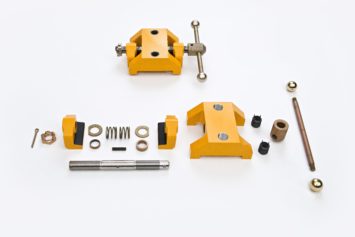
CNC milling is a subtractive manufacturing process that removes material from a workpiece using rotating cutting tools controlled by computer numerical control (CNC) technology. By following programmed instructions, CNC milling machines can produce highly accurate components with exceptional repeatability.
The process is used to manufacture everything from simple brackets and enclosures to highly detailed aerospace, medical, and industrial components. Because CNC milling can work with a wide variety of metals and plastics, it remains one of the most commonly used manufacturing methods across modern industry.
For buyers and engineers, CNC milling offers a combination of design flexibility, dimensional accuracy, and production consistency that many other manufacturing processes cannot provide.
Start with the Application, Not the Part Drawing
One of the most common mistakes buyers make is sending a drawing to suppliers without providing context about how the component will be used.
A drawing tells a machinist what to make. It does not explain why particular features exist or which aspects of the design are most important.
Before requesting CNC milling services, consider questions such as:
- What environment will the part operate in?
- Will it experience heavy loads or vibration?
- Will it be exposed to moisture, chemicals, or temperature extremes?
- Are cosmetic finishes important?
- Will the part require assembly with other components?
Providing this information allows the supplier to offer recommendations that may improve both manufacturability and performance.
Material Selection Influences More Than Performance
Choosing the right material is about more than meeting strength requirements. Material selection directly impacts machining speed, tooling wear, inspection requirements, lead times, and overall manufacturing costs.
Aluminum remains one of the most frequently machined materials because of its excellent machinability, corrosion resistance, and favorable strength-to-weight ratio. Stainless steel is often chosen when durability and corrosion resistance are primary concerns, though it generally requires longer machining cycles. Carbon steels may provide a cost-effective solution for applications requiring strength and wear resistance, while engineered plastics can offer advantages in weight reduction, chemical resistance, and electrical insulation.
An experienced CNC milling provider can often suggest alternative grades or materials that achieve the same performance objectives while improving manufacturing efficiency.
Not All CNC Milling Capabilities Are the Same
Many buyers assume CNC milling is a standardized service. In reality, machining capabilities vary significantly from one supplier to another.
The complexity of your component may require advanced capabilities such as multi-axis machining, high-speed milling, or tight-tolerance manufacturing. A supplier with only basic equipment may require multiple setups to complete a part, while a facility with advanced machinery may be able to machine the same component more efficiently.
When evaluating CNC milling providers, it is worth understanding their available equipment, machining technologies, and experience with projects similar to yours. A supplier’s capabilities can directly influence quality, lead times, and overall production costs.
CNC Milling vs. Additive Manufacturing
As additive manufacturing technologies continue to gain adoption, many engineers find themselves comparing CNC milling with processes such as 3D printing. While both methods can produce highly detailed components, they achieve their results in fundamentally different ways.
CNC milling is a subtractive manufacturing process, meaning material is removed from a solid workpiece until the desired shape is produced. Additive manufacturing, by contrast, builds components layer by layer using plastic, metal, or composite materials.
Each approach offers advantages depending on the application’s requirements.
Additive manufacturing is often valuable during early-stage product development because it can produce prototypes quickly and accommodate highly complex geometries that may be difficult to machine. It also allows engineers to evaluate designs before investing in production tooling or large manufacturing runs.
However, CNC milling continues to be widely used when precision, material selection, surface finish, and dimensional consistency are important considerations. Machined components are frequently produced from production-grade materials and often provide tighter tolerances and more predictable mechanical properties than many additive manufacturing processes.
CNC Milling May Be Better Suited For:
- Tight-tolerance components
- Production-grade metal parts
- Smooth surface finishes
- High-strength applications
- Production and repeat manufacturing
- Multi-material manufacturing requirements
Additive Manufacturing May Be Better Suited For:
- Rapid prototyping
- Low-volume concept validation
- Lightweight structures
- Complex internal geometries
- Design iterations during product development
In many manufacturing environments, CNC milling and additive manufacturing are not competing processes but complementary ones. A product may begin as a 3D-printed prototype for design evaluation and later transition to CNC milling for production, testing, or final-use components. Understanding the strengths of each process can help engineers select the most effective manufacturing strategy for their project goals.
Part Complexity Can Affect Cost More Than Material
Engineers often focus heavily on material costs while overlooking the impact of part geometry. In many cases, machining time is a larger contributor to overall cost than raw material.
Features such as deep pockets, thin walls, tight corner radii, and complex surface contours may require specialized tooling or multiple machining operations. Even minor design changes can sometimes reduce machining time substantially.
This is one reason design-for-manufacturability discussions are so valuable. Many CNC milling providers regularly identify opportunities to simplify machining operations without affecting the part’s function or performance.
Tighter Tolerances Are Not Always Better
A common misconception is that tighter tolerances automatically improve quality. While precision is important, unnecessary tolerances can significantly increase manufacturing expenses.
Every additional level of precision typically requires more machining time, additional inspections, greater process control, and increased tooling costs. If a feature does not directly impact fit, function, or performance, applying extremely tight tolerances may provide little benefit while increasing production costs.
The most effective approach is to apply tighter tolerances only where they are functionally necessary. This allows manufacturers to focus their efforts where precision matters most.
Production Volume Should Influence Your Purchasing Strategy
The requirements for a prototype project are very different from those of a long-term production program.
Prototype projects often prioritize speed and flexibility. Engineers may anticipate design changes, revisions, or validation testing that require quick adjustments. Production manufacturing, on the other hand, typically focuses on repeatability, efficiency, and long-term consistency.
Providing accurate volume projections allows CNC milling suppliers to recommend manufacturing strategies that align with your current and future needs. A supplier that understands your production plans can often help reduce costs as volumes increase.
Quality Systems Matter
Even the most advanced CNC machine is only one part of a successful manufacturing operation. Strong quality systems help ensure that every component meets requirements before it reaches assembly or the end customer.
When reviewing CNC milling providers, ask how parts are inspected, documented, and verified throughout production. Industries such as aerospace, medical, defense, and industrial manufacturing frequently require extensive documentation and traceability.
Common quality resources may include:
- First article inspections
- Material certifications
- Dimensional inspection reports
- Calibration records
- Process documentation
- Traceability programs
A supplier’s commitment to quality often becomes apparent long before production begins.
Look Beyond Basic Machining Services
Many CNC-milled components require additional processes after machining is completed. Working with suppliers that offer complementary manufacturing capabilities can simplify production and reduce project complexity.
Common secondary operations include:
- CNC turning
- Tapping and threading
- Heat treating
- Surface finishing
- Powder coating
- Anodizing
- Assembly services
Consolidating multiple processes with a single supplier often helps reduce lead times and simplifies project management.
The Lowest Quote Is Not Always the Lowest Cost
Pricing is obviously an important consideration, but focusing exclusively on the lowest quote can create long-term challenges.
A supplier with inconsistent quality may generate additional costs through rework, missed deadlines, assembly problems, or delayed product launches. Similarly, poor communication can create project delays that far exceed any initial savings.
When evaluating CNC milling services, consider the total value being offered. Factors such as delivery performance, technical expertise, quality consistency, engineering support, and responsiveness frequently have a larger impact on project success than the initial piece-part price.
Think About Future Growth
Many projects begin with a small order before expanding into larger production volumes.
For that reason, it is often beneficial to select a CNC milling partner capable of supporting future growth. A supplier that can handle prototypes, pilot production, and full-scale manufacturing helps eliminate the need for supplier transitions as demand increases.
Long-term manufacturing relationships often create efficiencies that benefit both parties over time.
Questions to Ask Before Purchasing CNC Milling Services
Before selecting a CNC milling supplier, consider asking:
- What materials can you machine?
- What tolerance capabilities do you offer?
- Do you provide design-for-manufacturability assistance?
- What inspection procedures are used?
- Can you support both prototypes and production runs?
- What secondary services are available?
- What certifications do you maintain?
- What are your typical lead times?
The answers to these questions can provide valuable insight into whether a supplier is a good fit for your project.
Why Choosing the Right CNC Milling Partner Matters
Purchasing CNC milling services is not simply about finding a machine shop that can produce a part. The right supplier helps improve manufacturability, maintain quality, control costs, and support long-term production goals.
By evaluating materials, machining capabilities, quality systems, engineering support, and production scalability, buyers can make more informed decisions that contribute to both product performance and manufacturing success. Whether you’re developing a prototype, sourcing production components, or seeking long-term machining support, selecting the right CNC milling partner can help improve quality, streamline production, and support your business objectives. Contact our team today to discuss your application, review your project requirements, and learn how our CNC milling services can support your next manufacturing project.